No headlines, just progress: how 31% lower emissions stopped feeling like news
Every year, we publish our sustainability report, and every year, it says the same thing: our greenhouse gas emissions per sold car are down. This is no longer surprising to us. It’s simply what happens when you keep doing the same sensible things, year after year.

People tend to think progress arrives with a breakthrough. A new technology. A major announcement. Something dramatic enough to deserve a headline. This is not that kind of story.
In the latest report, covering 2025, greenhouse gas emissions per sold car are down 31% compared with our 2020 baseline, from 45.9 to 31.7 tCO₂e. Most companies would make that the headline. We think the more interesting question is why it needs to be. The solutions behind it should be standard practice by now. The reduction has not come from one big idea. It comes from a lot of existing solutions, applied consistently.
Renewable electricity in battery production and manufacturing. Aluminium produced using hydropower. Recycled steel. Batteries with recycled cobalt. The fact that this still feels worth pointing out says as much about the rest of the industry as it does about us.
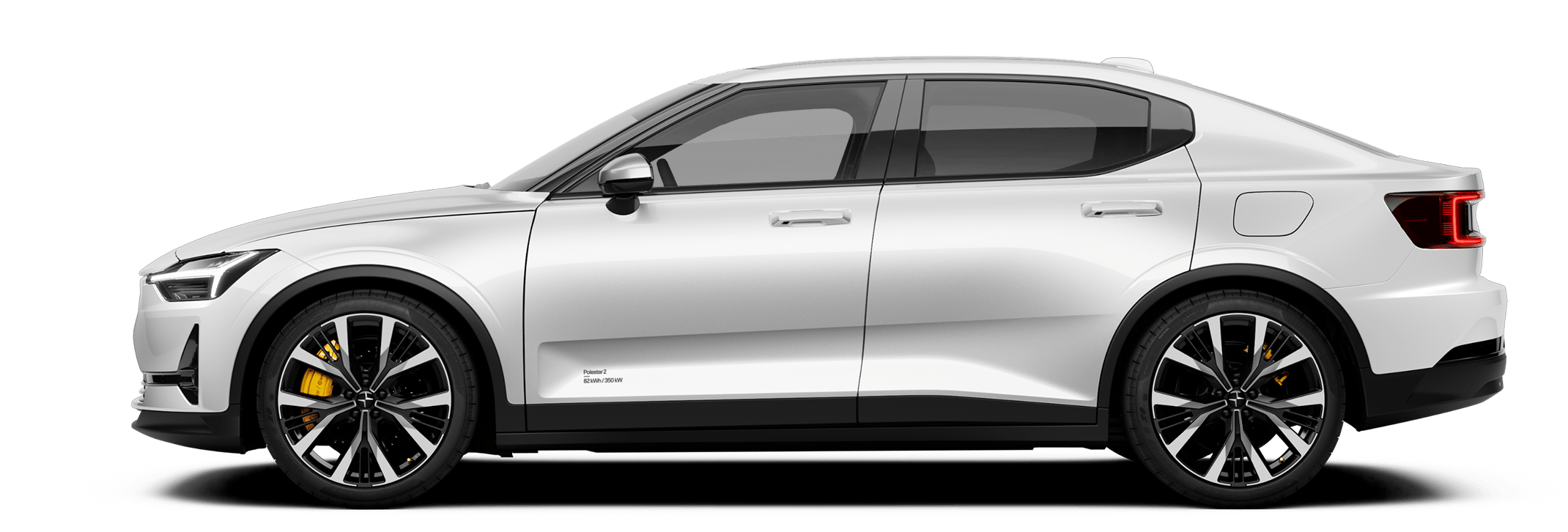
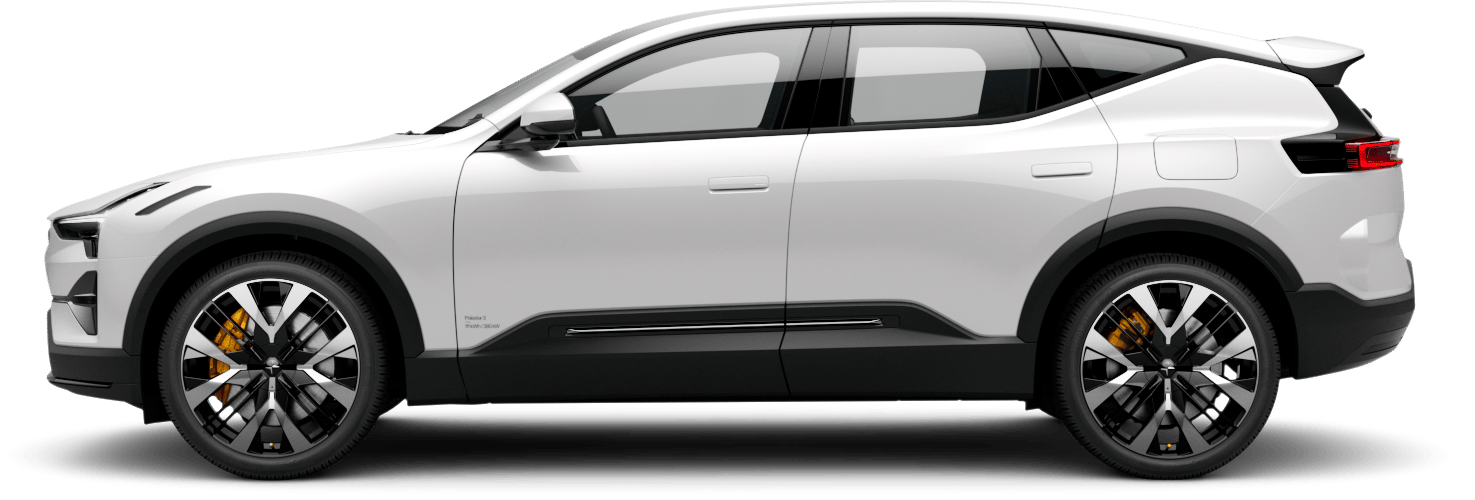
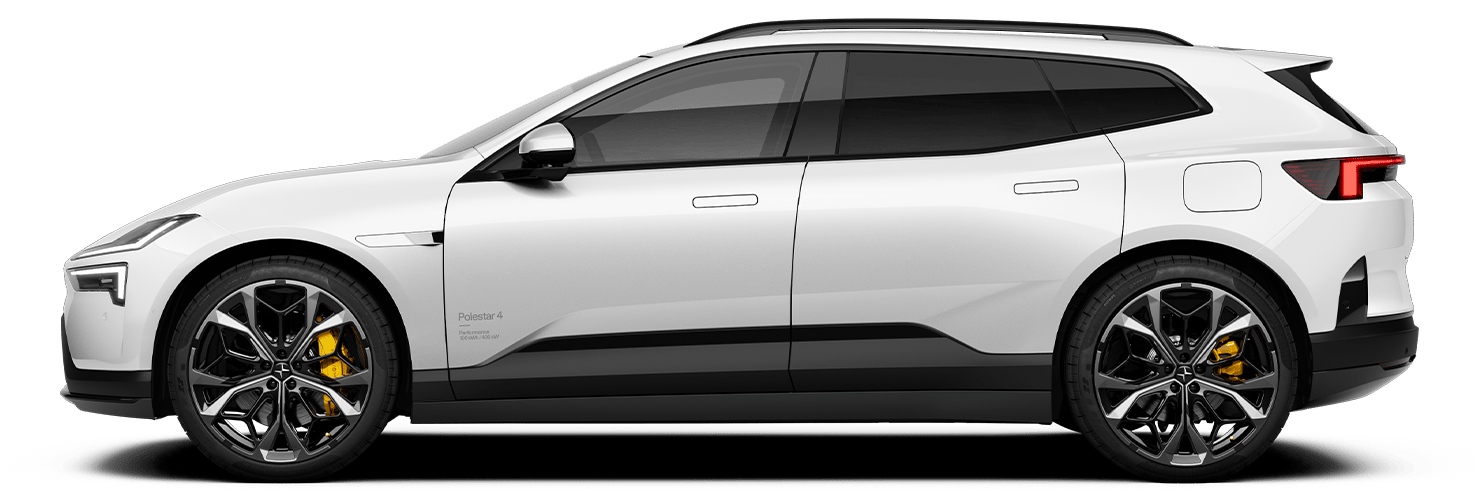
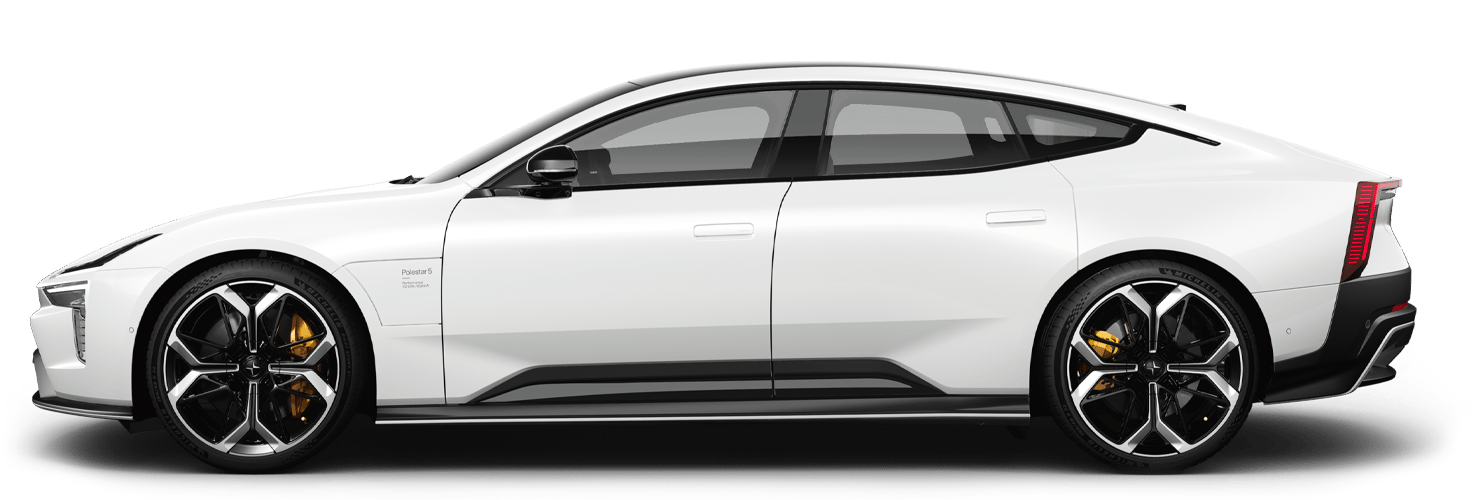
In 2025, 83% of the aluminium used in Polestar 5 came from smelters powered by renewable electricity, while 13% was recycled aluminium. In Polestar 2 and Polestar 3, we secured batteries containing at least 50% recycled cobalt. None of these things are particularly mysterious. Most are actions other carmakers could take too. We have simply kept doing them. While doing this, we have continued to grow, selling more than 60,000 cars a year, operating across 28 markets, and manufacturing in three countries. Usually, when one line goes up, the other follows. Ours went the other way.

If you are not reducing emissions while growing, you are choosing not to
Michael Lohscheller, Polestar CEO, says: “If you are not reducing emissions while growing, you are choosing not to. Electrification delivers clear value for customers: lower running costs, lower emissions and greater peace of mind, as volatile oil prices and fuel scarcity mean pump anxiety is increasingly replacing range anxiety. As clean electricity scales, electric vehicles are becoming not just the sustainable choice, but the smarter, more reliable one.”
Since 2020, annual sales have increased more than sixfold. Over the same period, GHG emissions per sold car have fallen from 45.9 to 31.7 tCO₂e. In 2025 alone, those emissions fell further 7%, while sales grew by 34%. Today, Polestar has one of the lowest climate impacts per sold car among European carmakers. Does that mean the work is done? Of course not.
Some of the hardest problems remain. Through Mission 0 House in Gothenburg, a collaboration space where scientists and engineers from academia and industry work side by side, we continue to work on the materials and technologies needed to go further: ultra-low-emission steel, new battery materials, bio-based textiles, and technologies that can turn CO₂ into new materials. But that is another story.
This one is about what can already be done. And what happens when you keep doing it, year after year.
After year.
Explore the full report here.