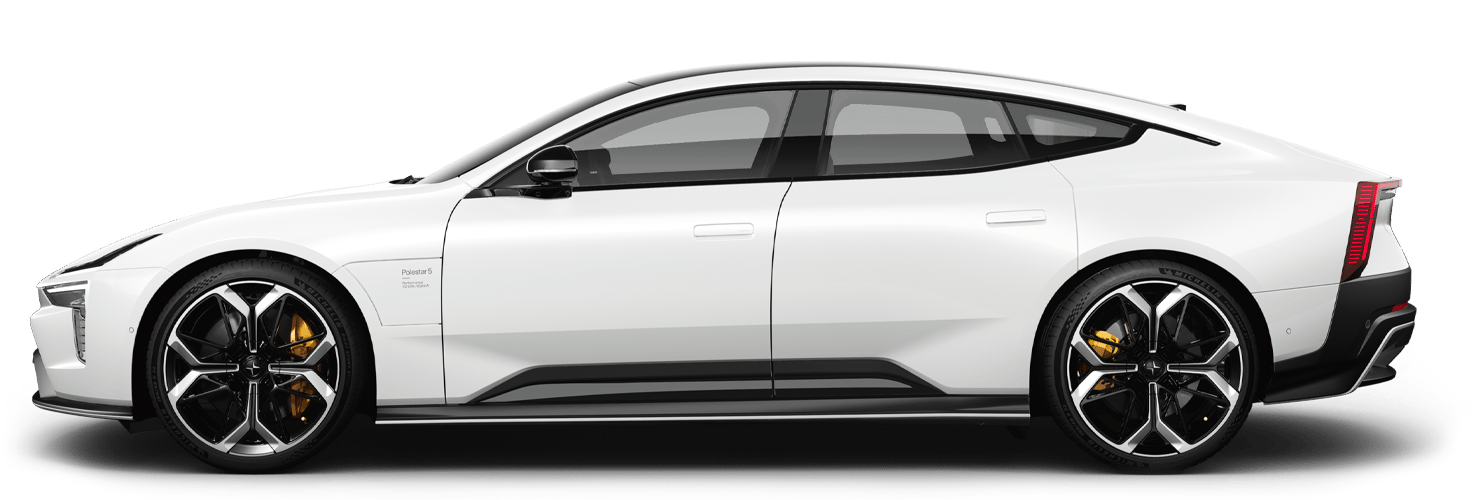
Driving lights
Driving lights mix automatic behaviours and manual controls which allow you to adapt to any situation or visibility conditions.
Important
The driver is always responsible for ensuring that the car is driven while using a lights mode that is suitable for the current driving conditions and local traffic regulations.
Primary lighting
You can choose between several different primary lighting modes in the centre display. Your selection sets a standard lighting behaviour.
 | Auto | The automatic lights mode1 allows your car to automatically detect and calculate which lighting mode is most suitable for the driving and environmental lighting conditions. |
 | Passing beam | You can manually select the passing beam to keep the front lights dipped. |
 | Position lights | The position lights are points of illumination around the car that make it more visible to other road users when your car is stationary. |
 | Off | Off deactivates all primary lighting modes.2 |
Additional lights
You can control the high beam and the direction indicators with the left-hand steering wheel stalk.
The hazard warning lights help you to warn others of potential risks. You can turn them on and off by pressing the button in the overhead console.
There are additional light settings available in the centre display, such as:
| Rear fog lights | The rear fog lights warn traffic behind you of your presence in poor light conditions. |
| Trailer light check | You can run tests from the centre display to check the lights on a connected trailer. |
Auto-levelling
Auto-levelling works to automatically maintain vertical control of the beam. This means that whilst driving over raised ground or uneven surfaces, the lights adapt to cover the road surface.