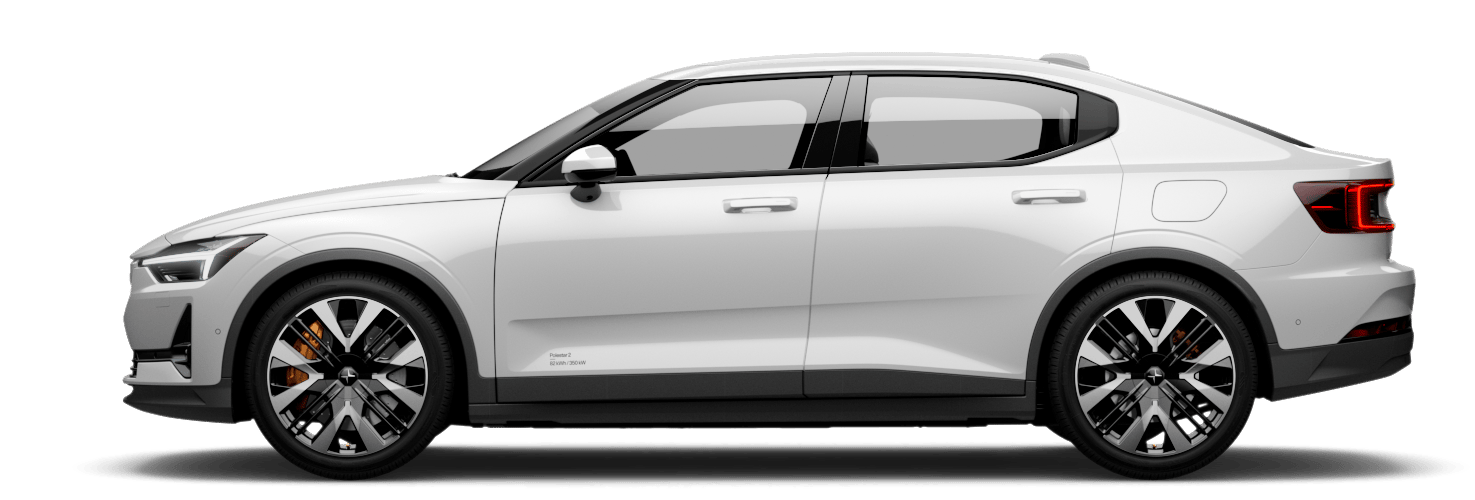
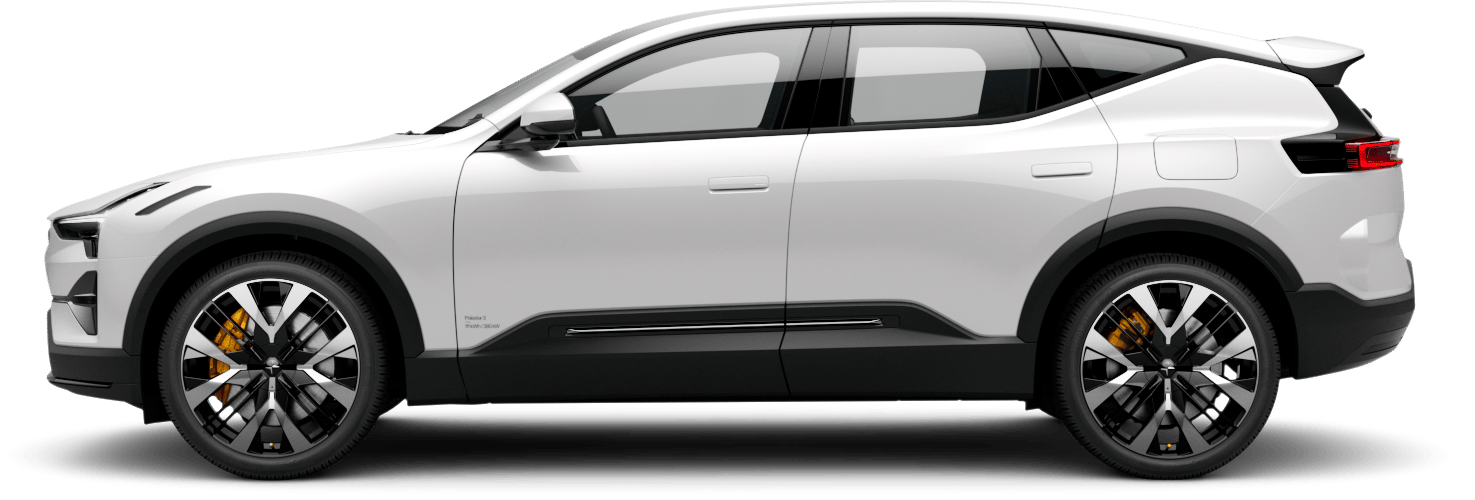
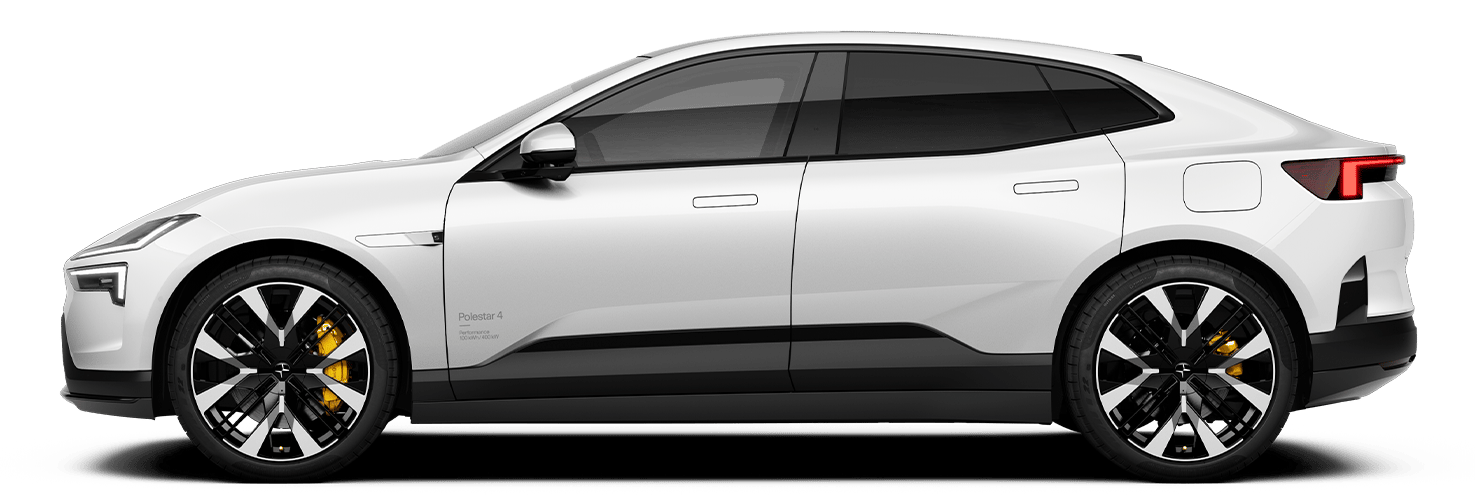
The time it takes to charge your vehicle depends on the charging type and several factors. The charging times mentioned are approximate.
Some examples of factors that can affect the charging time include:
- preconditioning
- the vehicle's climate system and other active electrical loads
- ambient temperature
- battery temperature
- charging equipment
- battery size
- battery condition and vehicle condition
- infrastructure
- charging settings such as amperage limit.
AC charging from a household outlet1
Fast charging from a DC charging station
Note
The charging times shown are based on rated power for compatible high-voltage charging stations. Actual charging power may be limited when using low voltage, for example at 400 V charging stations.
Note
The battery can charge the fastest when the battery level is low. After reaching 30%, the maximum charging speed gradually decreases as the battery level increases.
Tip
When you use Google Maps to set a fast-charging station as your destination, the vehicle preconditions the battery to improve charging performance once you get there.