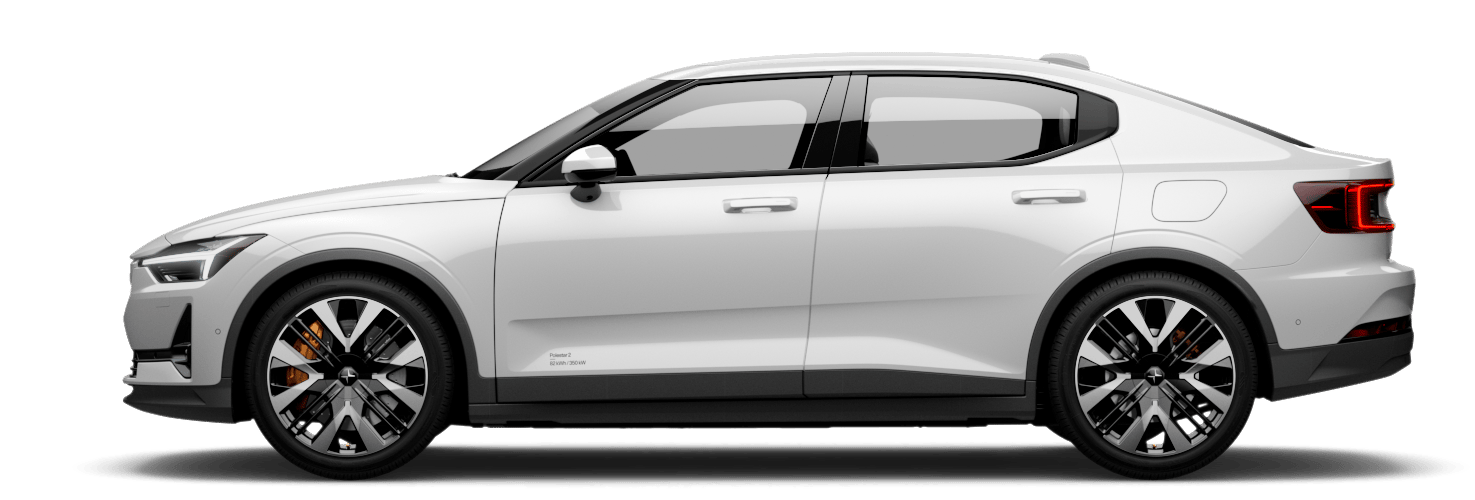
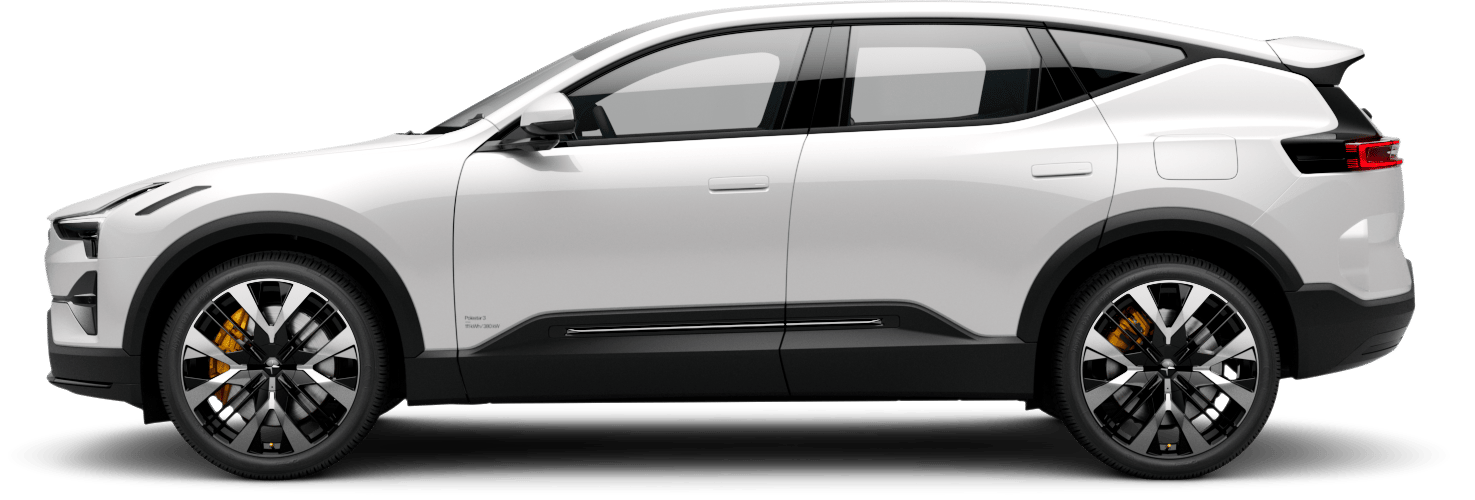
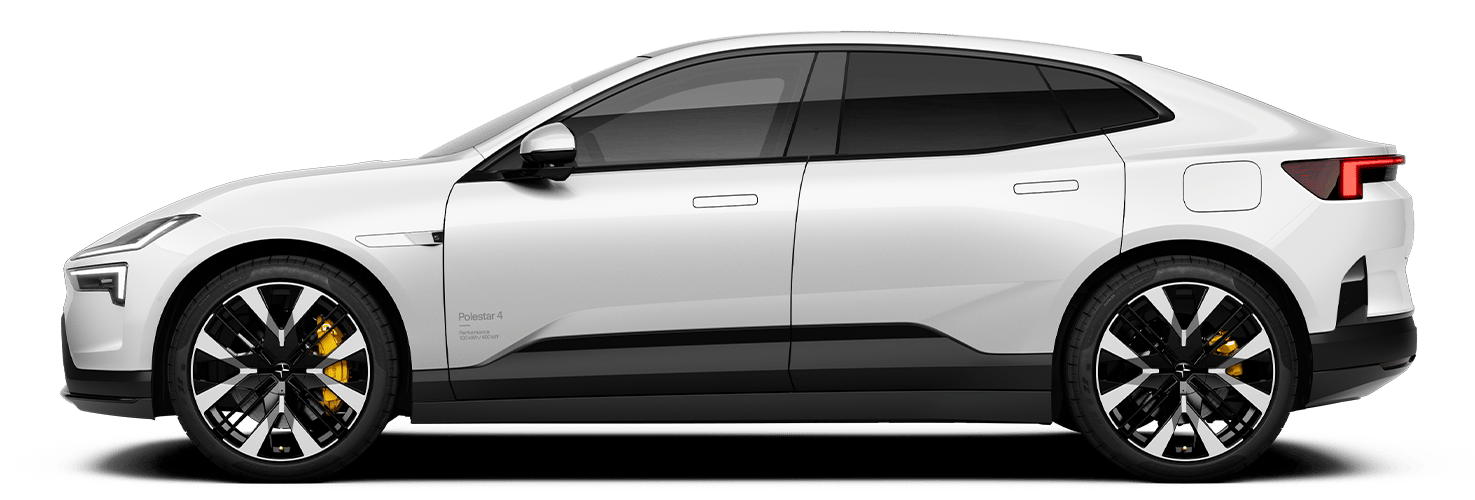
Your vehicle has a specialized electrical system that delivers electricity to and from the batteries. There are both high-voltage and low-voltage circuits for different electrical functions.
This section of the manual presents information about several of its electrical components. These include:
- Traction battery
- 12 V battery
- The emergency 12 V supply terminal
- Fuses
Warning
- Do not handle or modify the vehicle's electrical components. Only perform actions that are clearly described in the manual.
- High-voltage components can produce or conduct lethal currents and must only be handled by authorized technicians.
- Do not make repairs to the vehicle's electrical system or components. Contact a service point for all servicing and repairs.
Important
12 V terminal
In the event of a total loss of power, the vehicle can't be unlocked, as the locks are electrically operated. To access the vehicle and charge it, the vehicle can be powered for a short time using the externally accessible 12 V terminal. Open the small panel located in front of the left-side wheel housing to access the 12 V terminal. Behind the panel, there is a red cable for the positive terminal and a black cable for the negative terminal.
Before using the 12 V terminal, consider the following:
- Polestar recommends that the 12 V terminal only be used by service technicians for the purpose of accessing the vehicle as part of immobilization recovery.
- The external 12 V terminal on your vehicle should only be used to make your vehicle accessible. Do not attempt to charge another vehicle or similar external source from this point.
- Only use a 12 V charger with a maximum charging current below 30 A.
- Do not connect another 12 V battery to the terminal.
- Connecting any power source that delivers a current greater than 30 A will blow the terminal fuse and thus disable it.
- Only use the 12 V terminal for short amounts of time. It is not meant as a means of powering the vehicle continuously.
- Make sure to follow the positive and negative markings on the terminals – reversing the polarity of the low-voltage system could lead to damaging the low-voltage system components or blowing the 30 A fuse.
Tip
Charging your vehicle or other devices
You can read more about charging your vehicle and other power-related features, such as USB ports and wireless charging, in other sections of the Manual.