The anatomy of performance: can Oxford find a way to measure the thrill of driving?
The same car, on the same road, can feel very different depending on who’s driving. Which makes this a little more complicated than checking a stopwatch. Together with researchers from the SDG Impact Lab at the University of Oxford, we set out to better understand the thrill of driving and explore whether it can be measured. The anatomy of performance follows that work across four episodes.
Episode 1: can we put a number on the thrill of driving?
Before we head to the track, our host Babak takes us through what we mean by the thrill of driving and how we can study it. Over the series, he’ll take us from Gotland Ring to Portimão and Oxford, as we carry out tests, explore how drivers’ brains and bodies respond, and hear what the researchers find.


“We have to build a framework to do the measuring that can account for what's going on, not just in the body, not just in the brain, but in the mind as well.”
Max Klapow, Doctoral Researcher, Oxford SDG Impact Lab

Episode 2: what happens in your brain when you drive?
We turn Gotland Ring into our very own performance lab. More than 40 individual test runs, with sensors recording what happens in the drivers’ brains and bodies as they accelerate, brake, and corner. Let the experiment begin.
So, how do you go about measuring the thrill of driving? You start with a few quiet minutes. Before anyone heads out, the researchers take starting readings to compare with what happens on track. Then it’s time to drive.
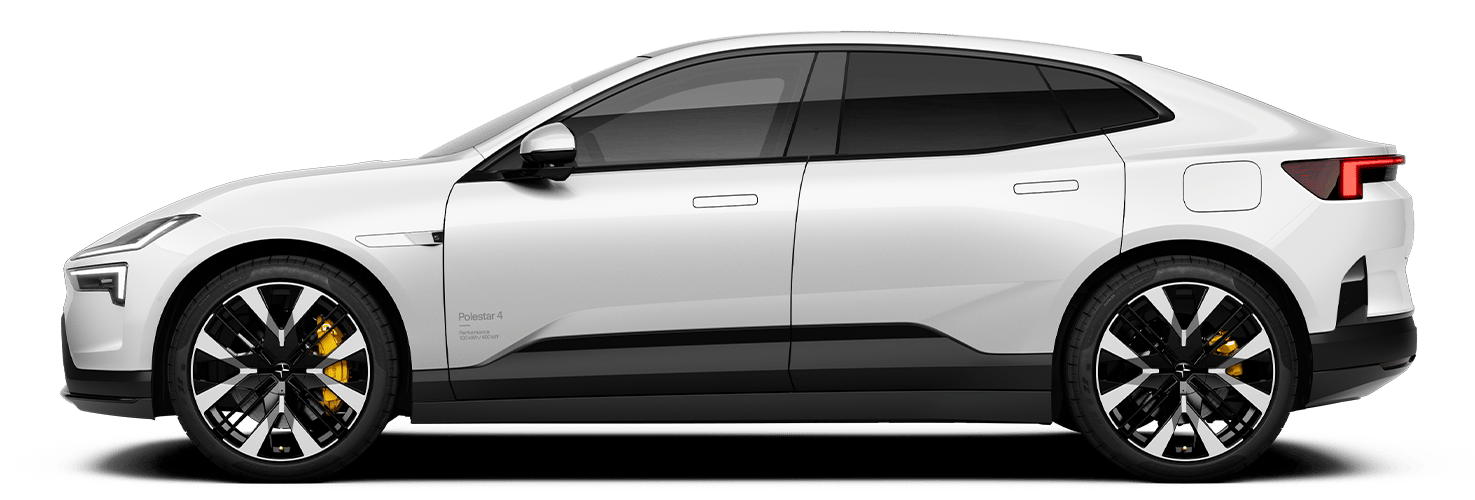
Each participant drives two versions of Polestar 4: Rear motor and Dual motor with Performance pack. Both at a calm pace, then more dynamically, following a lead car. The cabin and controls stay the same.


Every decision about how a car accelerates, steers, or handles shapes how it feels to drive. We want to understand that connection.
There’s quite a lot going on in a single lap. Sensors measure heart rate, changes in sweating, eye movements, and brain activity. Meanwhile, the cars record acceleration, braking, steering, and the forces experienced through corners.
Between driving segments, participants rate how they feel. Afterwards, they describe the experience in interviews. A pounding heart tells us something, but it doesn’t tell us whether someone’s enjoying themselves.
That’s why researchers from the SDG Impact Lab at the University of Oxford bring these measurements together: to explore what contributes to the thrill of driving and test whether that experience can be meaningfully measured.

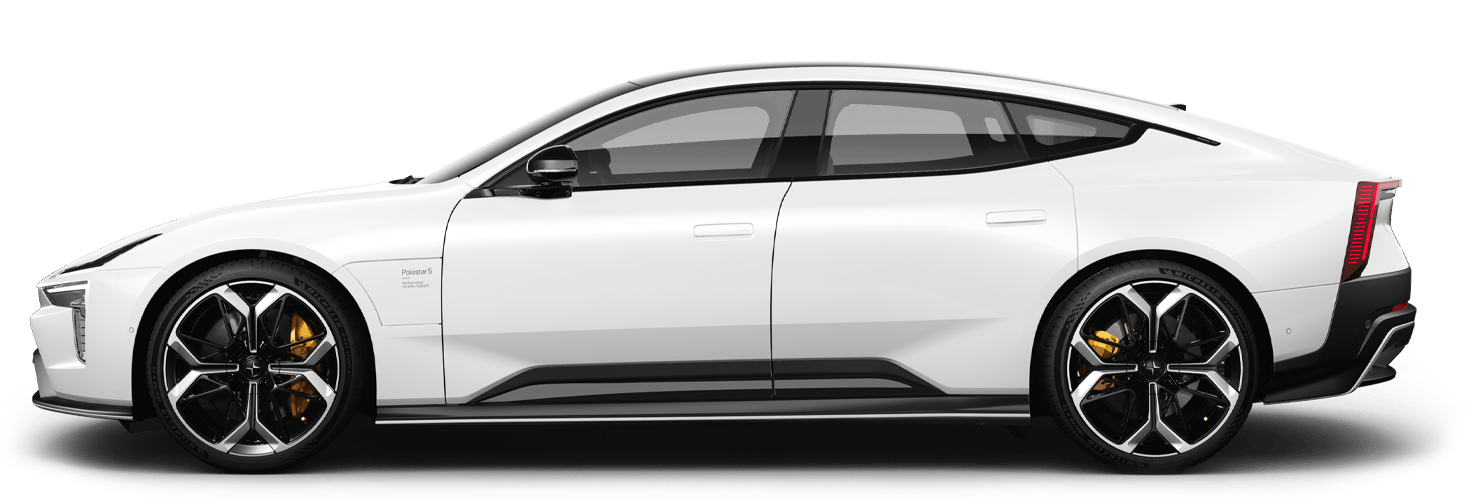
Episode 3: how does Ben Collins’ body react to Polestar 5?
Ben Collins has spent years showing the world what he can do with a car. Now, the racing and stunt-driving legend is back in the white suit, taking Polestar 5 onto the track at Portimão. This time, we’re finding out what the car does to him.
Ben can tell you a lot about a car while driving it. How it communicates through the steering wheel, how the suspension carries the forces through the seat, and how much he trusts it coming out of a corner. With sensors recording his brain activity and physiological responses, we can look at what’s happening in his body alongside that running commentary.


There is a dataset for some regular people. And me being irregular, we’ll see what happens when I drive.
First, he drives Polestar 5 using its standard settings. Then he selects sharper throttle response, quicker power delivery, and firmer suspension. Same car, same circuit, same driver. A different experience. His favourite? The performance settings (of course). More playful, and more under his control.
For someone who describes himself as “irregular”, Ben has a fair amount in common with the drivers at Gotland Ring. His body responds along broadly similar lines, though changing the settings produces less variation in his physiological responses.


We came to find out what Polestar 5 does to Ben Collins. Watching what he can do with the car is a thrill of its own.

Episode 4: what did Oxford find out about the thrill of driving?
The track tests are done. For the final episode of our series, we’re heading to Oxford to hear what the team from the SDG Impact Lab at the University of Oxford has found. What turns a physical response into something we enjoy? And how close have we come to measuring the thrill of driving?
The most thrilling thing for them was being able to push the car and themselves as drivers to their limits, but still feel safe enough.
Trust a car enough, and being pushed out of your comfort zone can become something you enjoy. That combination came up repeatedly in the drivers’ interviews: a strong physical response, a challenge, and the confidence to keep going. Several participants independently compared it to a roller coaster. Intense, but with enough trust to enjoy the ride.
The car plays a part in both sides of that experience. It creates the forces the driver feels, but its steering, balance, and predictability also help them feel confident enough to enjoy those forces. Some participants described the car as an extension of themselves.
The challenge is personal. What stretches one driver might overwhelm another. Experience, expectations, and confidence all influenced how people responded to the same situation.


Same speed. Different feeling.
A stopwatch would have told a fairly similar story. The drivers didn’t. On matched fast laps, the two versions of Polestar 4 were driven at almost identical average speeds, yet the experiences differed.
The Dual motor version with Performance pack delivered higher peak acceleration while requiring less steering effort than the Rear motor version. Drivers generally rated its driving dynamics and the overall experience higher too. Some found the Rear motor version engaging in a different way, requiring more active involvement.
The comparison gives us something average speed alone can’t explain: how the car helps a driver use its capabilities, and how that feels.

What can the body tell us?
Some moments stayed with the drivers after the lap was over. Accelerating out of a corner. Moving into braking. Those transitions also stood out when researchers compared the car’s data with the body’s responses.
Abrupt changes in acceleration and braking were more strongly linked to bodily activation than speed itself. During demanding driving, participants also blinked less and held their gaze for longer, suggesting greater concentration.
But a racing heart doesn’t explain itself. Hard driving takes physical effort, so the measurements can’t yet fully separate excitement from exertion. Asking how it felt remains an essential part of understanding what happened.


The moment of truth.
Can the thrill of driving be measured?
Well, we can begin to measure different elements of the experience. The pilot showed that the body’s responses, driver behaviour, and drivers’ own accounts can be studied together and connected to what the car is doing.
The framework is there. Testing and refining it will take more research with larger, more diverse groups of drivers. Whether those different elements could meaningfully be combined into a single measure remains a question for further research. Similar readings can mean different things to different people, so understanding the experience takes more than recording the signals.
It may be too soon to talk numbers, but the thrill of driving is starting to make a little more sense.
Read the full research report.


