Polestar 4 SUV goes off-grid at Ascari
Mountain roads, one of the world's most beautiful race circuits and a camp powered by cars. There was nothing normal about our launch of the latest addition to the Polestar line-up.

The first thing you do when you arrive at Polestar's base camp in southern Spain is plug in. Not into a public charger, mind you. Nor into a wall-mounted box on the side of a building. No. At Ascari, that means connecting your car to a tent.
One cable from each car's vehicle-to-load (V2L) socket is all it takes to power the pristine glamping site beside the Ascari circuit. A lounge, device chargers, heated mattresses and a kitchen serving breakfast and lunch. The camp runs off-grid, on the cars alone.
In motoring circles, Ascari is what you'd call hallowed ground. A private circuit in the Serranía de Ronda, Andalucía, the track has spent more than two decades as a members' club for people who take their driving seriously. Dutch entrepreneur and racer Klaas Zwart designed it himself on what was once a sheep farm. Many of its 26 corners echo famous turns elsewhere: Eau Rouge at Spa, the Karussell at the Nürburgring, Paddock Hill Bend at Brands Hatch.
Over 5.4 km, it climbs, falls and banks in perfect harmony with its surroundings. The track sits about 10 km from Ronda, the clifftop town split in two by the Tajo gorge, in a landscape of mountains, olive groves and white villages. The roads around it climb and twist through the Serranía, on a route Joakim Rydholm, Polestar's Head of Driving Dynamics, signed off personally. Málaga is a little over an hour away. It feels much further.

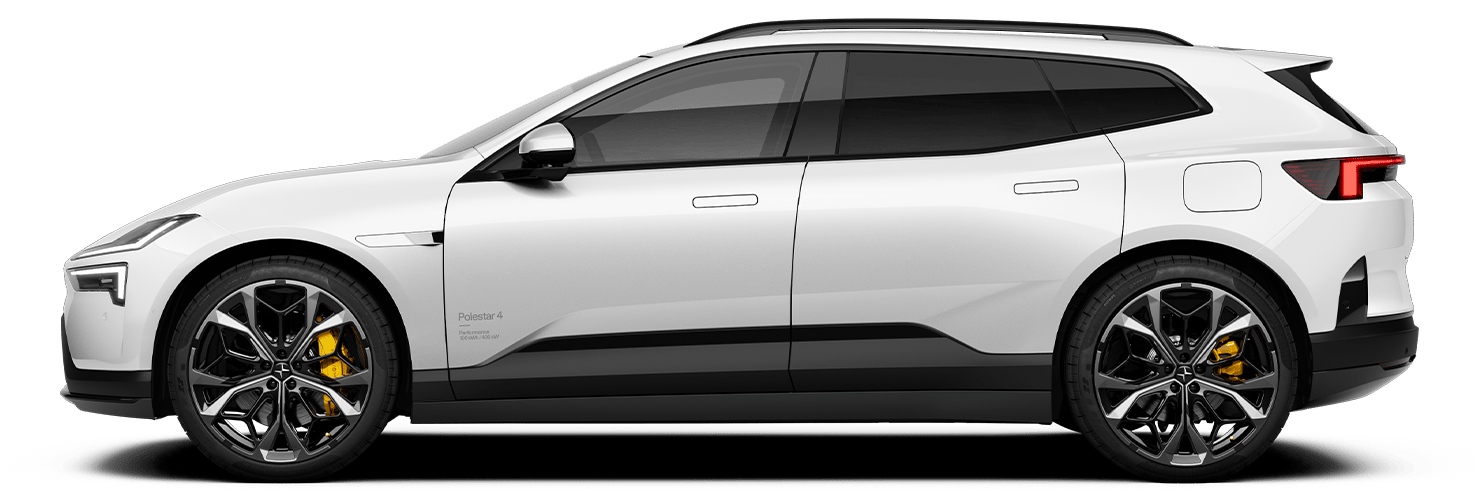
Polestar 4 SUV
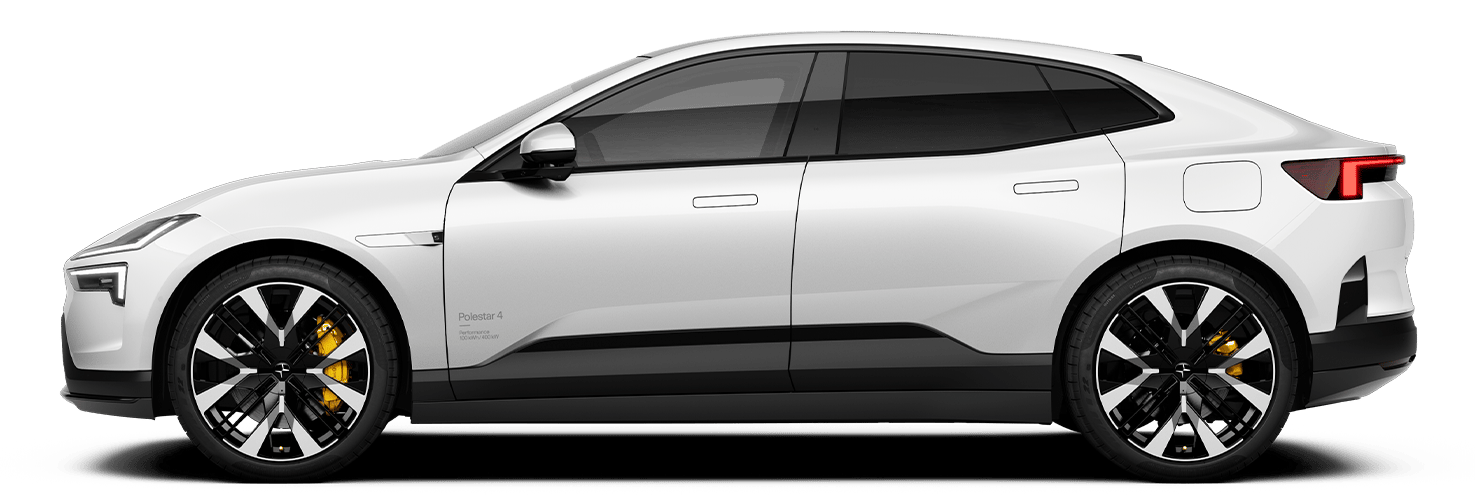
Polestar 4 SUV builds on Polestar 4 coupé, with a different brief: more versatility and a retuned chassis, set up for a more refined, more mature drive.
“When we developed Polestar 4 SUV, the objective wasn't to build just another SUV,” says Rydholm. “It was to build an SUV that drives like a true Polestar. And I think we've done that.”
The most visible change is at the back. Where the coupé uses a roof-mounted camera in place of a rear window, the SUV has a conventional one, under a panoramic glass roof that runs all the way to the tailgate. Rear passengers gain an extra 2.5 cm of headroom, and luggage space ranges from 530 litres to 1,665 litres with the rear seats folded.


Off-grid
At dusk, at Polestar’s base camp high above the circuit’s Daytona corner, guests could finally get hands-on with one of the car’s most interesting features.
Vehicle-to-load turns Polestar 4 SUV's 100 kWh battery into a power source. With an adapter, the car delivers up to 3.3 kW at 230 V: enough to boil a kettle, charge a laptop or, at Ascari, run a tent's lighting, heated mattress and charging dock through one of those fresh Andalusian nights. You set a minimum battery level, and the car stops supplying power once it reaches it. So the drive home is never in question.
The first thing you do at base camp is plug in. But at Ascari, what you're really here to do is unplug. The car makes both possible.
Configure your Polestar 4 SUV now.


