Pump anxiety: Why electrification matters more than ever
With fossil fuel prices continuing to fluctuate, electric vehicles provide a more sustainable and resilient option for future mobility

Key takeaways
- Ongoing global tensions have caused fuel prices to surge across the globe
- As a result, EV uptake has increased in many major markets, including Europe and the UK
- Polestar CEO Michael Lohscheller claims that there has been a shift from what was once known as ‘range anxiety’ to ‘pump anxiety’
- Lohscheller says it is time to focus on the things that matter by continuing to invest in EV infrastructure
- Electric vehicles have the potential to make Europe stronger and more resilient against future fuel price spikes
The news cycle over the past few weeks has provided a stark reminder of oil price volatility, as the fluctuating cost of a barrel has been directly passed on to the consumer at the pumps.
Since late February, the cost of filling up a combustion engine vehicle has been sky-rocketing across the globe.
With one of the world’s main shipping arteries still closed at the time of writing, a route that once carried roughly 20 million barrels of oil per day, fuel prices remain painfully high.
In the UK, the RAC claims that the average price of unleaded fuel is up 19% since the beginning of 2026, while diesel has exceeded the 190 pence per litre mark and is up a staggering 34% overall over the same period.
It is a similar story in the US, where the BBC reports that the price of a barrel of oil remains around $30 higher than when global tensions began escalating, resulting in gas prices rising past the $4 a gallon mark for the first time since 2022.
Worse still, France 24 claims that European drivers face record inflation on imported fossil fuels, as diesel prices have spiralled by more than 30% since February.
“So, what’s happening really, is a shift from what was once known as ‘range anxiety’ to ‘pump anxiety’”, explains Polestar CEO Michael Lohscheller.
“Europe is being reminded, once again, that energy is not only about supply, but also about resilience and security. As long as our mobility remains addicted and tied to oil, that resilience will remain weakened and repeatedly tested,” he added.

How do EVs improve energy security?
The figures don’t lie, as the adoption of electric vehicles has rapidly increased in recent months. In fact, the Society of Motor Manufacturers and Traders (SMMT) reports that EVs experienced their best March ever, as UK registrations were up 24.2% over the period.
Polestar also reported its highest ever first quarter retail sales figure at the end of Q1 in 2026, while pre-owned sales grew by a staggering 99% year-on-year. Battery Electric Vehicles accounted for 18.8% of the EU market share in January to February 2026, an increase from 15.2% one year earlier.
The decision to protect themselves from high oil prices is clearly being considered by the consumer, as electric vehicles offer the chance to reduce a dependence on oil by charging at home. When plugged in during off-peak hours, this use-case represents massive savings compared with filling up with petrol or diesel.
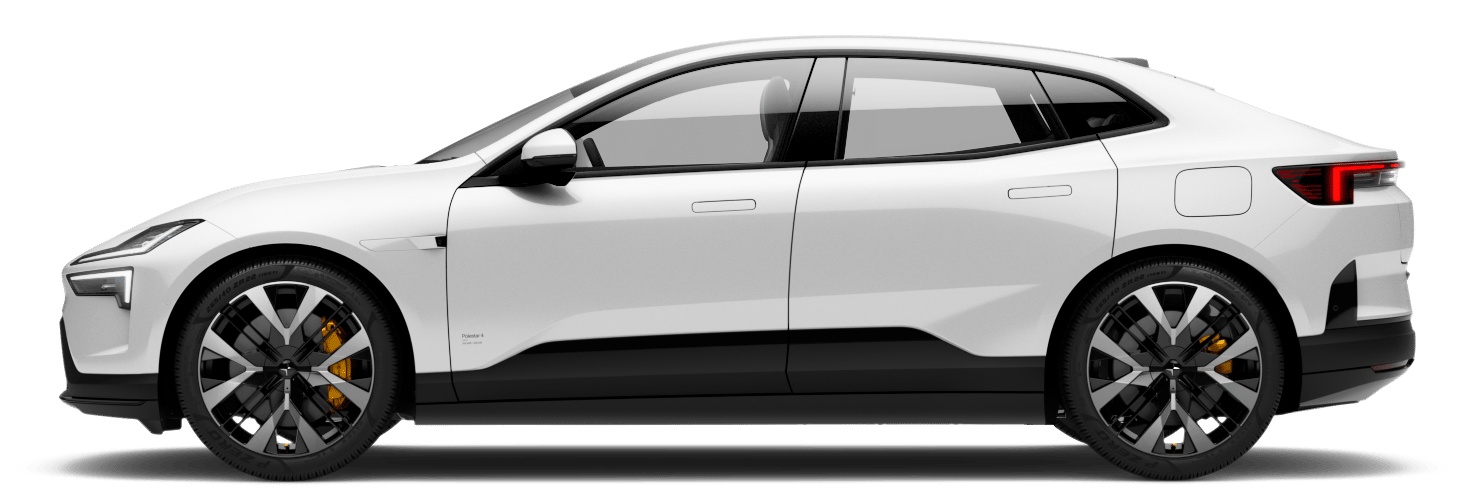
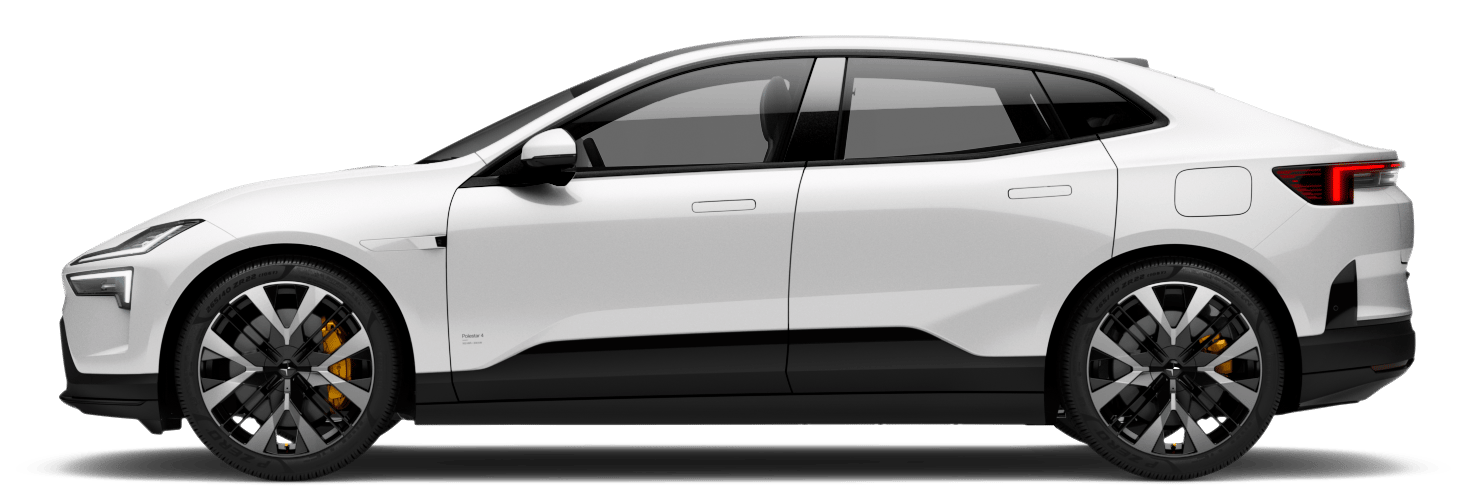
Recent analysis by Polestar found that running a Polestar 4 Long Range Single Motor model represented a 60% cost saving over rival diesel models in the Netherlands, thanks to the significantly lower average unit cost of electricity compared to a litre of diesel.
“For EV drivers, range and charging are no longer the barriers they once were. With Polestar Charge and Polestar Energy, we make charging a seamless part of that reality: simple, reliable, and accessible,” says Lohscheller.
The EV charging infrastructure in Europe is rapidly expanding , with the International Energy Agency (IEA) claiming that the public charging network surpassed the 1 million charging point mark in 2025, with that number growing every month.
Ultra fast-charging, which sees outlets deliver 150kW or more for rapid charging sessions, increased by 60% in 2024, and Europe is aiming for 3.5 million chargers by 2030.
Despite an overarching withdrawal of support for electric vehicles by the current US administration, sales of used electric vehicles have been soaring and the number of public charging outlets continues to increase in North America, with a focus on providing cheap and accessible public Level 2 chargers in suburban areas where a domestic outlet is often tricky to install.
This sort of focus and forward-thinking allows a greater number of potential owners to experience electric car cost savings.
“Instead of investing in short-term suppression of petrol prices, as part of a system based on scarcity and depletion, it’s time to listen to what experts have been saying for decades,” Lohscheller claims.

How does electrification strengthen Europe's energy security?
Aside from reducing the cost of running a vehicle, thanks to cheaper charging rates and the lower maintenance costs associated with the simpler electric powertrains, electric vehicles also increase resilience against future oil price shocks.
An increased focus on renewable energy means electric vehicles can be charged in a cleaner and greener fashion, while encouraging things like solar in the home allows the general public to break free from the grid and negate any hikes in energy prices.
There’s also the subject of Vehicle-to-Grid technology (V2G), which allows EV batteries to balance out spikes in the grid by delivering energy during peak times. When coupled with renewables, this becomes a powerful tool in reducing the reliance on fossil fuels and natural gas.
“To me, the direction is becoming clearer every day: this is no longer just about cars. It’s about building a system people can rely on,” Polestar’s CEO says.
Polestar’s CEO believes that short-term fiscal relief on the spiralling cost of fossil fuels only has a temporary impact – it has “no bearing on customer behaviour whatsoever”.
“It is time to focus on the things that matter by continuing to invest in infrastructure that strengthens Europe’s energy resilience and helps more people choose the future,” Lohscheller says.
“Done right, this will make Europe stronger, more competitive, and more resilient,” he concludes.