
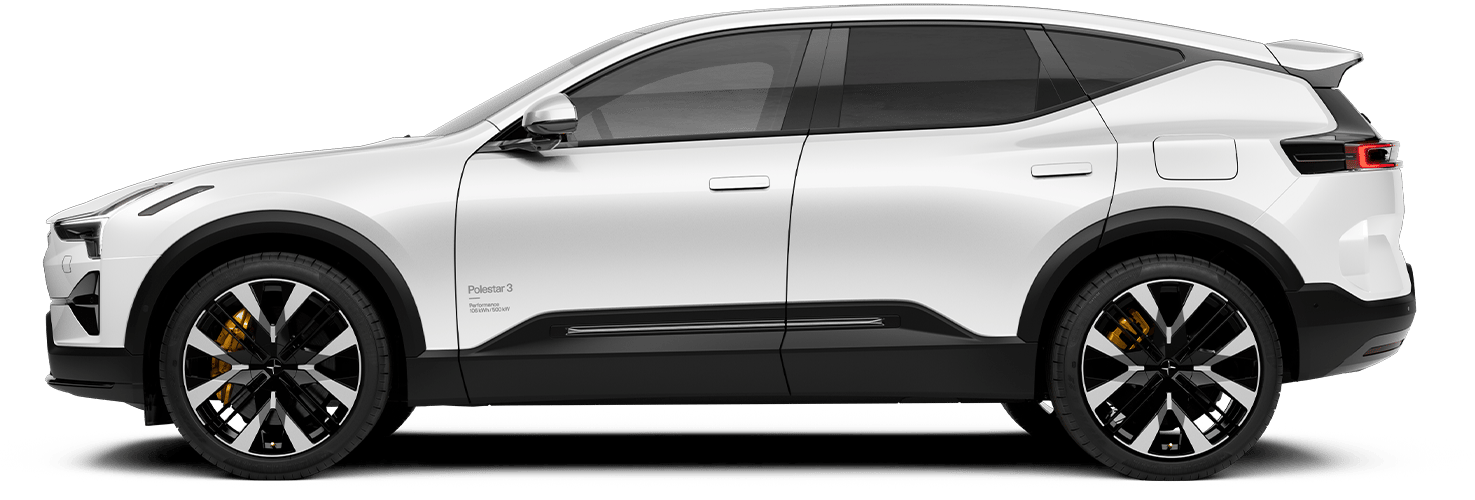

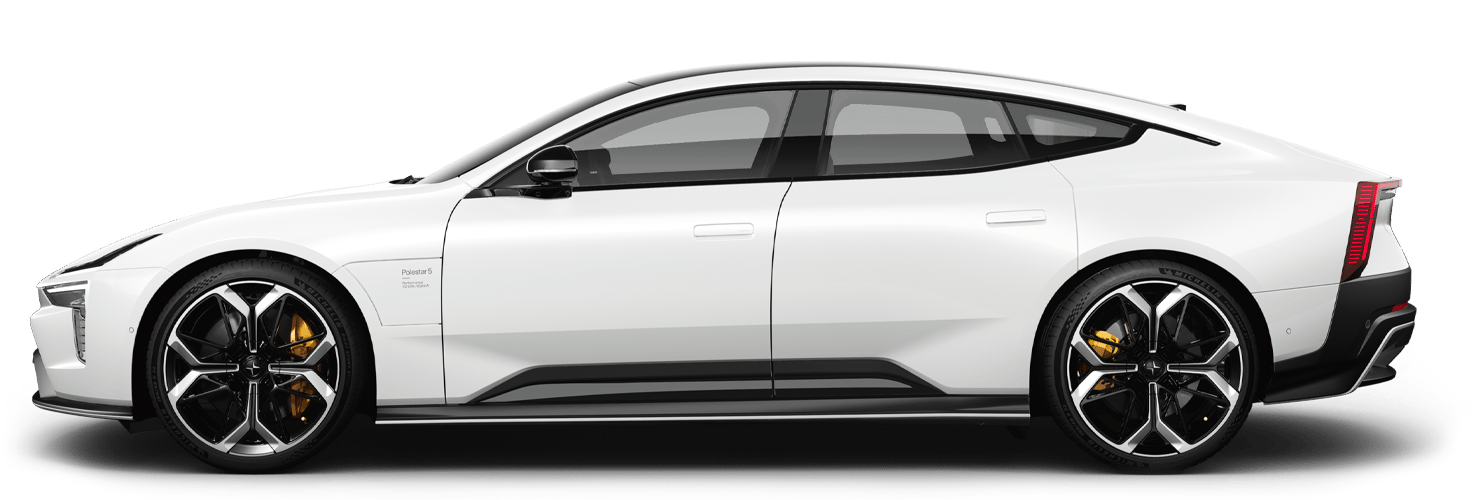
Can the thrill of driving be measured? Polestar and the SDG Impact Lab at the University of Oxford aim to find out.
Automotive performance is measured in numbers. Power output. Acceleration. Lap times. The metrics matter. But they only tell part of the story. The thrill of driving remains one of the few parts of performance that has never been measured scientifically. Over the next few months, we're going to try to change that.

The science behind the thrill
Working alongside the SDG Impact Lab at the University of Oxford, we’re launching a research initiative to study what actually happens in the brain and body behind the wheel. At Gotland Ring in Sweden, researchers from Engineering Science and Experimental Psychology will study brain activity, heart rate, and eye movement data to explore whether the thrill of driving can be observed, analysed, and decoded.


“This project demonstrates how academic research can create real-world impact beyond the university. Working with Polestar allows us to translate scientific insight into knowledge that can help shape future innovation,” says Professor Alexander Betts, Pro-Vice Chancellor of the University of Oxford and Co-Founder of the Oxford SDG Impact Lab.
Documenting the research
The research journey will be documented through an upcoming series following the tests, the researchers, and the pursuit of creating a framework for measuring the thrill of driving.
More to come in the next few months.


