Formula 2030: A first look at the next generation of Polestars
Formula 2030 is more than a show car. It is Polestar's next chapter in physical form. Head of Design Philipp Römers explains what to expect from future Polestars, why the next generation puts the driver first, and how Polestar could become the car culture brand 2.0.
This is the essence of our future portfolio
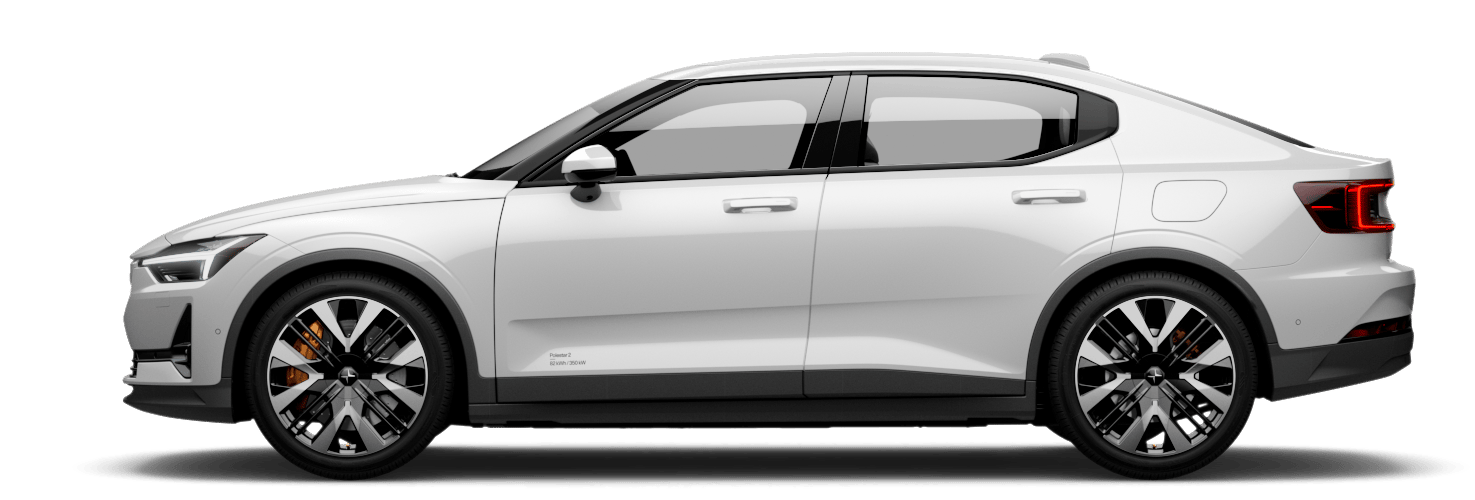
Show cars sometimes get a bad rep. Over-the-top creations that rarely make it beyond the stand. Formula 2030 isn't that. Its design is already heading for the road, starting with the new Polestar 2 and the upcoming Polestar 7.
"Formula 2030 is more than a design exercise," says Philipp Römers, Head of Design at Polestar. "It's the physical embodiment of our overall strategy. It's the essence of our brand, our design language, our technology roadmap and our portfolio of the future."
That strategy points somewhere specific. Polestar is becoming a more accessible premium performance brand, moving into more compact segments. So the concept takes a compact form. "It made sense to me to show the design as a compact, practical sports car," says Römers. "This is the essence of our future portfolio."
Four cars in one
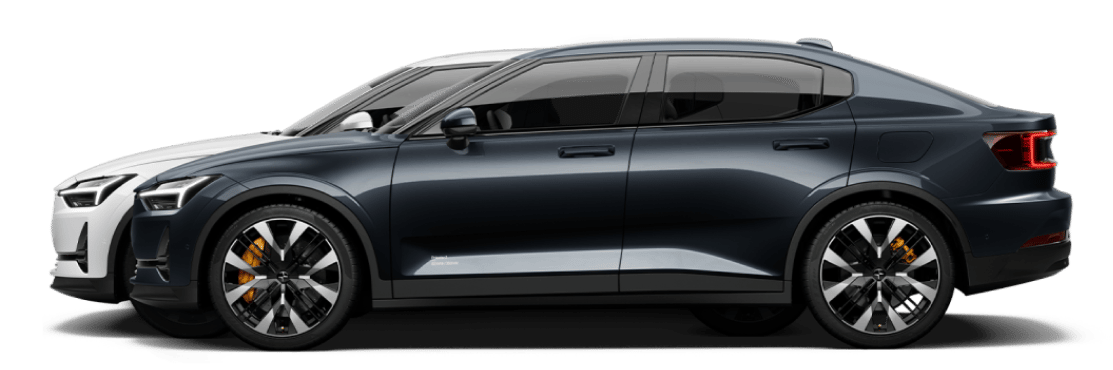
Formula 2030 is one car. But look closely and you'll see four. The front previews the reimagined Polestar 2, due in 2027. The rear previews the upcoming Polestar 7. In between, it draws on two cars already on the road.
The side profile carries the performance DNA of Polestar 5. "A strong muscle above the rear wheel and an overall low profile," says Römers. "The proportions scream performance."
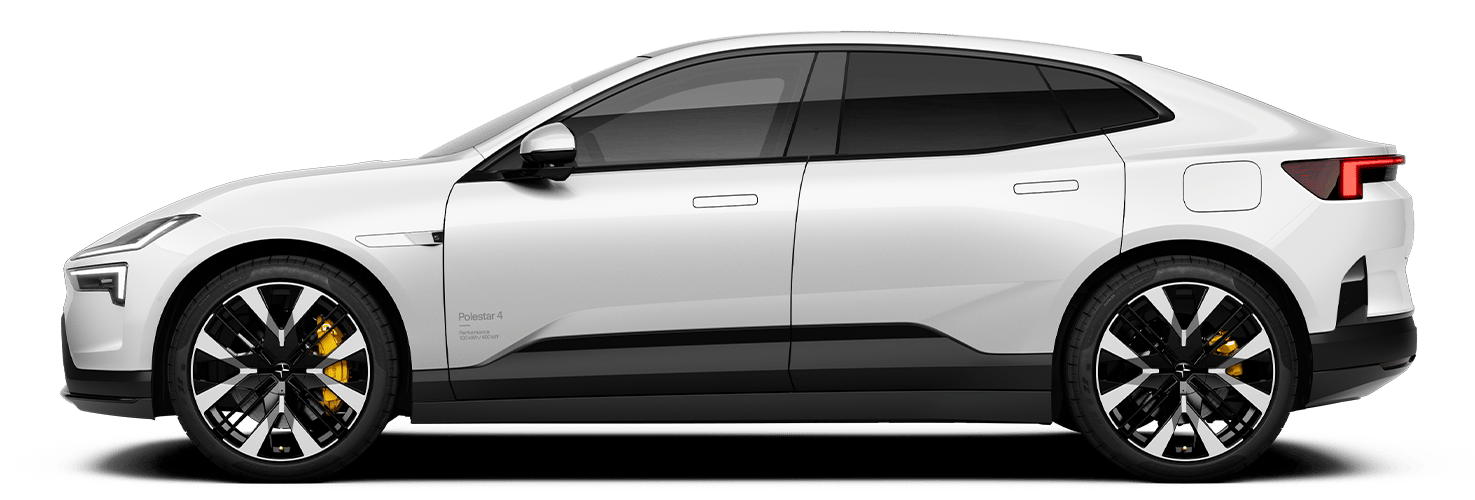
Over that sits the crossover silhouette of Polestar 4. On a sports car, the combination is unexpected. That is the point. "Polestar is all about character," he says.
A new face
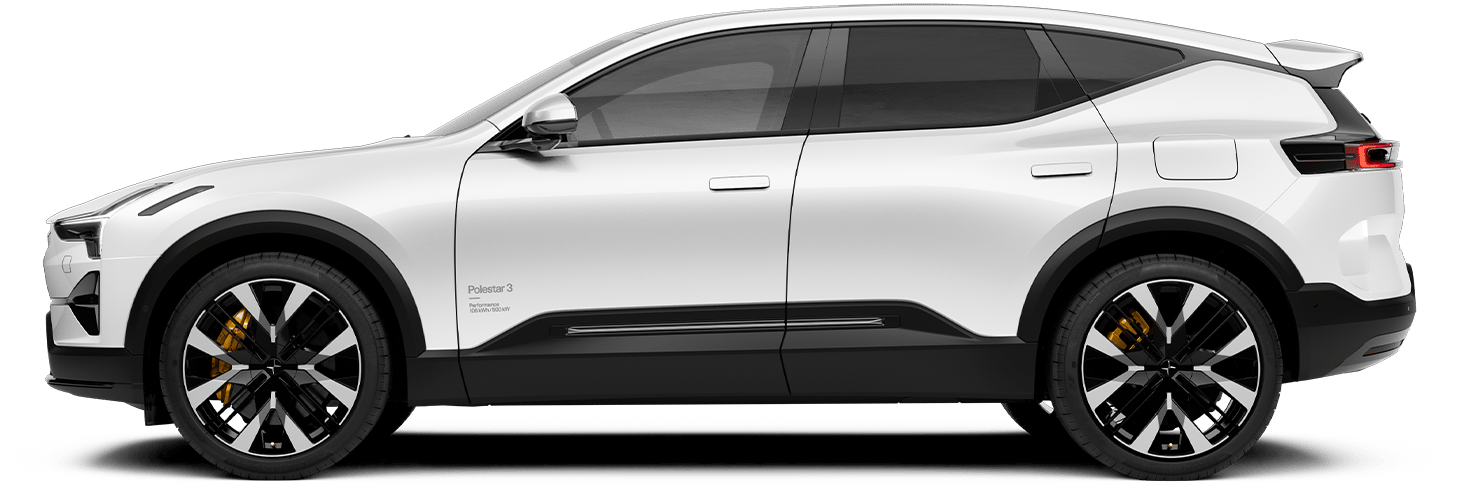
The front end shows Polestar's new face for the first time. The Dual Blade headlights stay. This time, they are joined by the front aero wing first seen on Polestar Precept and Polestar 3.
"This face has tons of character, tons of presence," says Römers. "And at the same time, it speaks Polestar." It will reach the road first on the new Polestar 2.
At the rear, a new light graphic answers the front. Called the Single Blade, it is the clearest indication yet of how Polestar 7 will look, in both volume and lighting. "It fits perfectly with the Dual Blade on the front," he says.


01/09
A cabin built around the driver
The exterior designers aren't the only ones flexing their creative muscles. The interior team, including UX and materials, has built a cabin with performance at its core. That makes sense for a brand born from a racing team. The next chapter makes the connection more visible.
"This chapter is about performance," says Römers. "It's still accompanied by our other core values, design and sustainability. They always go hand in hand."
The cabin keeps its Scandinavian clarity but changes its priorities. Steering wheel, screens, centre console and tunnel are all positioned around the driver, free from distraction. Physical buttons are back. They give tactile feedback without pulling attention from the road, and their positions can be changed to create the driver's ideal layout.
A button on the centre column, the experience shifter, switches between drive modes. Screens, steering wheel position, seat position and steering feel all adjust to match. Underneath it all sits steer-by-wire. No steering column, no mechanical link. Inputs travel electronically to actuators, while haptic feedback recreates road feel and wheel resistance.


I think Polestar could become the car culture brand 2.0
Bold evolution, not revolution
For all that is new, the design team doesn't see Formula 2030 as a break with the past. Polestar is a young brand with a strong identity, and Römers sees no reason to discard it. "We are aiming for a bold evolution," he says. "You will clearly see it's a Polestar. But at the same time, you will see it's the next generation of Polestar."
In many ways, what's shifting is the mood. Today's Polestars often read as technical, sometimes even robotic. The next generation softens that edge. "The design language becomes a bit more sensual," says Römers, "while keeping the precise, sophisticated details." The exterior grows more approachable and, in places, more sporty.
Presence without shouting
With the automotive landscape shifting fast, Polestar's Head of Design sees an opportunity. "While other brands are trying hard to get attention, we stay truly Polestar," he says. "We stay Swedish. We stay characterful. And what's important to me: our cars will remain attractive."
He believes that mix of design, performance and sustainability speaks to committed enthusiasts and newcomers to the car world alike. "That's why I think Polestar could become the car culture brand 2.0."
So while Formula 2030 might be a concept, its ideas will reach the road soon. First on the new Polestar 2, then on Polestar 7. Römers sums up the new direction simply. "We stick to our formula," he says. "We stay 100% Polestar, and we keep building highly attractive cars."


