
The anatomy of performance: can Oxford find a way to measure the thrill of driving?
The same car, on the same road, can feel very different depending on who’s driving. Which makes this a little more complicated than checking a stopwatch. Together with researchers from the SDG Impact Lab at the University of Oxford, we set out to better understand the thrill of driving and explore whether it can be measured. The anatomy of performance follows that work across four episodes.
Episode 1: can we put a number on the thrill of driving?
Before we head to the track, our host Babak takes us through what we mean by the thrill of driving and how we can study it. Over the series, he’ll take us from Gotland Ring to Portimão and Oxford, as we carry out tests, explore how drivers’ brains and bodies respond, and hear what the researchers find.


“We have to build a framework to do the measuring that can account for what's going on, not just in the body, not just in the brain, but in the mind as well.”
Max Klapow, Doctoral Researcher, Oxford SDG Impact Lab

Episode 2: what happens in your brain when you drive?
We turn Gotland Ring into our very own performance lab. More than 40 individual test runs, with sensors recording what happens in the drivers’ brains and bodies as they accelerate, brake, and corner. Let the experiment begin.
So, how do you go about measuring the thrill of driving? You start with a few quiet minutes. Before anyone heads out, the researchers take starting readings to compare with what happens on track. Then it’s time to drive.
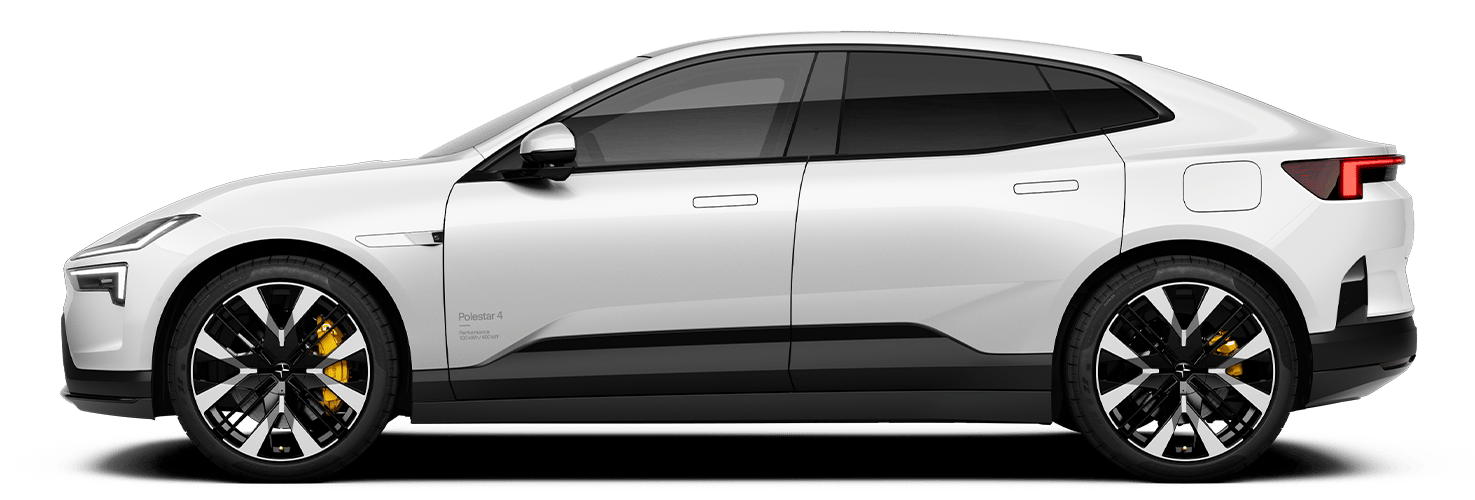
Each participant drives two versions of Polestar 4: Rear motor and Dual motor with Performance pack. Both at a calm pace, then more dynamically, following a lead car. The cabin and controls stay the same.


Every decision about how a car accelerates, steers, or handles shapes how it feels to drive. We want to understand that connection.
There’s quite a lot going on in a single lap. Sensors measure heart rate, changes in sweating, eye movements, and brain activity. Meanwhile, the cars record acceleration, braking, steering, and the forces experienced through corners.
Between driving segments, participants rate how they feel. Afterwards, they describe the experience in interviews. A pounding heart tells us something, but it doesn’t tell us whether someone’s enjoying themselves.
That’s why researchers from the SDG Impact Lab at the University of Oxford bring these measurements together: to explore what contributes to the thrill of driving and test whether that experience can be meaningfully measured.


