Inside Tromsø: The Arctic city where EVs rule
Tromsø sits around 200 kilometres inside the Arctic Circle. Cold in winter and often dark, it is one of the most dramatic places anywhere in the world. It is also central to Norway’s electric vehicle success story. We travelled north to understand why.
Never buy an EV if you live somewhere cold. Charging becomes painfully slow. Range collapses. Or so the old story goes.
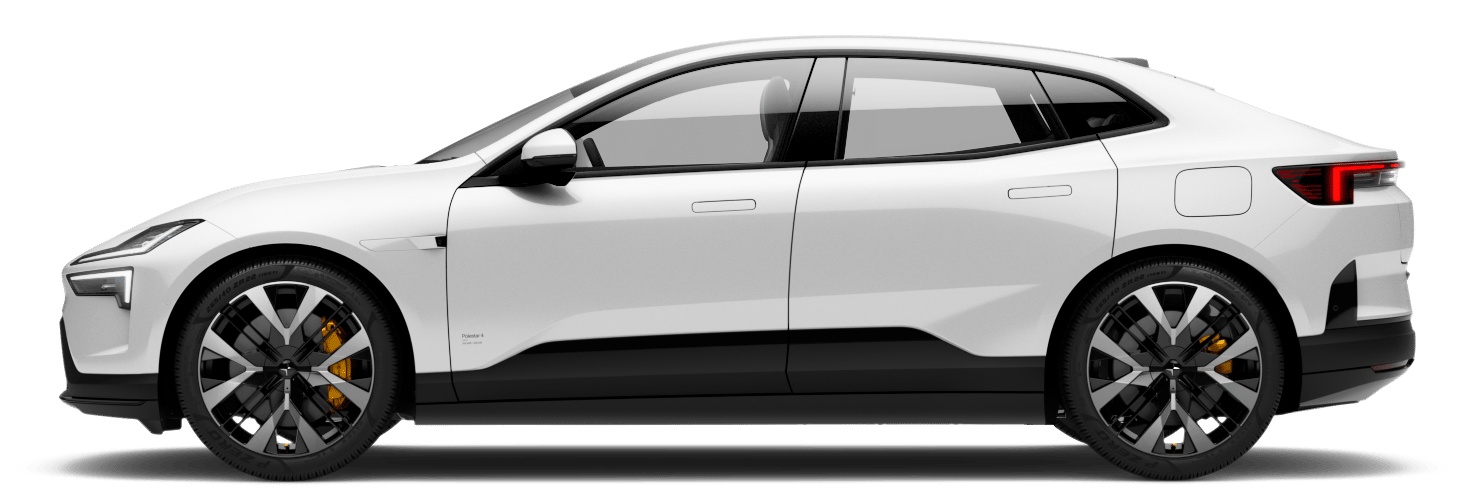
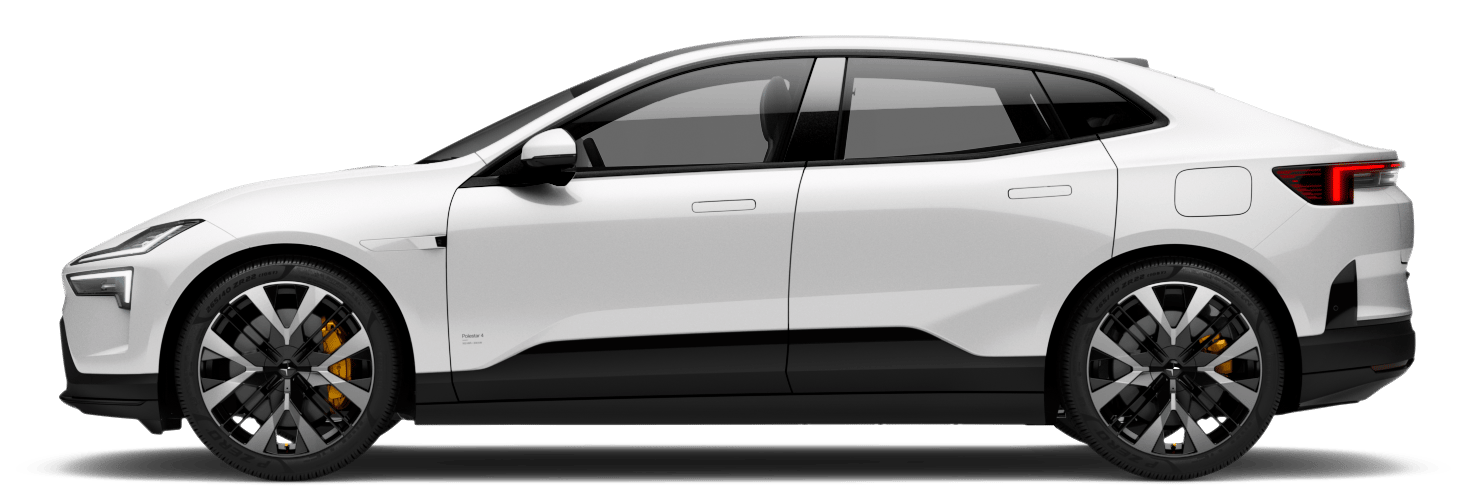
Nikolai Schirmer, a Tromsø native and one of the best-known freeskiers in the world, clearly never received that memo. He would have been too busy driving his Polestar 4 towards another mountain in search of the perfect line to ski.
"I have skied all over the world and I haven't found better skiing anywhere," Niko says. "We drove right to the foot of these mountains, hiked up in a few hours, and you are in some of these amazing alpine environments."
Downtown Tromsø, with a population of over 70,000 and the world's northernmost university, doesn't feel remote. A constant influx of tourists and students keeps the city young and energetic. "Take New York and put it into the middle of Alaska with the steepest, most demanding mountains you can find," says Niko of his hometown.
But cross the bridge in either direction, drive five minutes, and you enter another world altogether.


01/09
"It's the gateway to the Arctic. The last solid piece of civilisation before it's just this wild frontier," says the 34-year-old.
His audience of over 200,000 Instagram followers gets a window into what Norway is — and sometimes isn't — doing in the ongoing battle against environmental change. In between some of the most striking skiing clips you'll ever see, Niko has become one of the country's most visible climate advocates.
The car is part of that story.
"The infrastructure I use to get to the foot of the mountain is the road, and it's my car. And having that work is everything," he says from the front seat of his Polestar 4. "I've had so many experiences where the old fossil fuel vehicle just won't start because it's too cold. But I can preheat my Polestar so it's nice and balmy when I get there."
He pauses. "And then a farmer comes out and she's so jealous that we can drive. The diesel is too cold, so she can't get anywhere."


I've had so many experiences where the old fossil fuel vehicle just won't start because it's too cold,
Norway's electric shift
Norway is often described as the electric-vehicle capital of the world. On the surface that may seem surprising for a country that built much of its wealth on oil and gas.
The numbers are unambiguous. In December last year, electric cars accounted for almost 98 per cent of all new vehicles sold in Norway. Across the year, nearly nine out of ten new cars were electric; a shift no other country has come close to matching.
The reasons are well documented: generous tax incentives, high fuel prices, and abundant low-cost electricity generated from hydropower. But Niko believes there is another explanation.
"Living in the Arctic, we are the hardest hit. Temperatures are rising faster here than anywhere. There's this feeling of the world that I live in, melting away in front of my eyes," he says. "And what I find even more terrifying is this lack of will that I see to do anything about it."
Outside, the mountains sit white and still against a steel-grey sky. Norway is expected to see winter temperatures rise by 2°C to 3°C by the end of the century. It is easy, here, to understand what he means.
In the early days, driving electric could feel like exploration in itself. Charging networks were thin and long journeys required patience. Today that uncertainty has largely disappeared. The Polestar 4 Long range Dual motor has a WLTP range of up to 590 kilometres and can charge from 10 to 80 per cent in around 30 minutes at DC fast-charging stations.
For Niko, the progress is tangible. "I follow it just by how far I'm able to go, driving past charging stations that I would have to stop at before, and now I can just zoom past for hundreds of kilometres more."
And for all the political and economic arguments made in favour of the transition, he keeps returning to something simpler.
"Solving the problem doesn't mean that your life needs to get worse," he says. "It can actually get better."
Which means the uncertainty is no longer the car. It’s the road ahead. And in Tromsø, that road leads somewhere the rest of the world hasn't caught up with yet.
Learn more about Polestar 4 here.


